
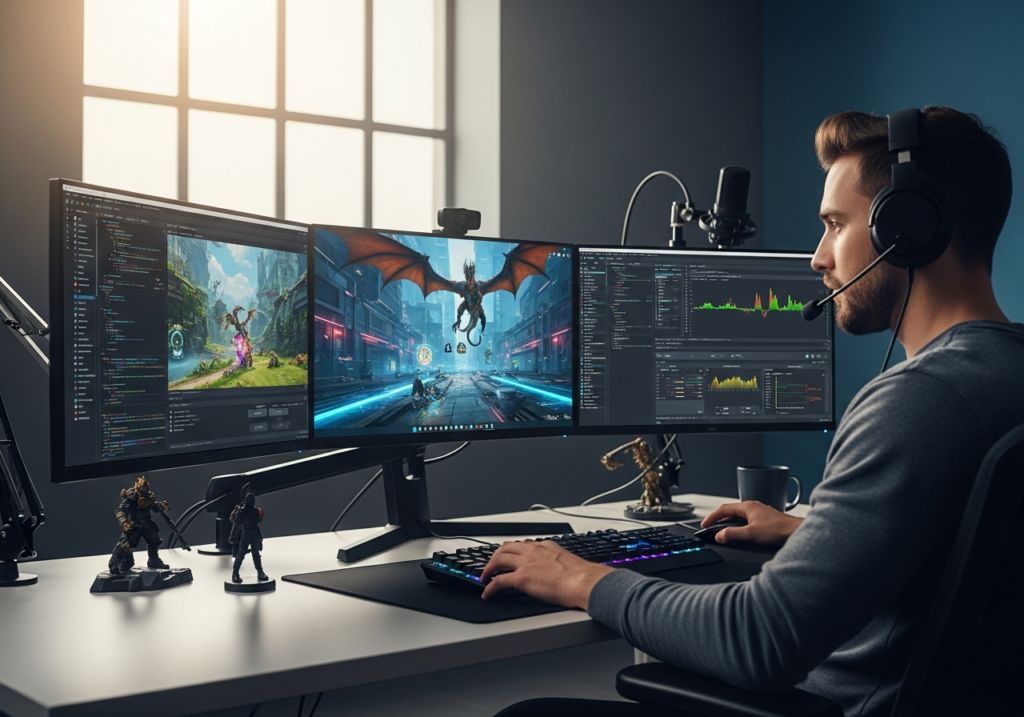
Canada’s video game industry is experiencing unprecedented growth, creating a surge in demand for junior QA testers across major studios in Vancouver, Montreal, and Toronto. With competitive entry-level salaries ranging from $33,000 to $39,000 CAD annually, these positions offer an accessible gateway into the gaming industry for passionate individuals with minimal professional experience.
Unlike senior QA roles that demand years of specialized expertise, junior QA tester positions prioritize foundational skills, genuine gaming passion, and the ability to learn quickly. Canadian game employers focus on candidates who demonstrate attention to detail, basic technical competencies, and enthusiasm for interactive entertainment rather than advanced certifications or extensive portfolios.
Core Technical Skills Required
Canadian game studios expect junior QA testers to possess fundamental technical abilities that form the backbone of effective game testing. These core competencies include proficient bug reporting using standardized documentation formats, understanding of basic testing methodologies like functional and regression testing, and familiarity with version control systems such as GitHub for tracking code changes.
Entry-level testers must demonstrate comfort with both console and PC gaming platforms, as most Canadian studios develop across multiple systems. Basic SQL knowledge for database queries and log analysis also proves valuable, though not always mandatory for junior positions.
- Systematic bug identification and documentation using industry-standard formats
- Functional testing to verify game features work as intended
- Regression testing to ensure new updates don’t break existing functionality
- Basic understanding of version control systems like GitHub
- Console and PC platform testing experience
- Elementary SQL skills for log analysis and data queries
Familiarity with Testing Tools
Canadian employers expect junior QA testers to quickly adapt to industry-standard testing tools, though extensive prior experience isn’t required. Most studios provide training on their preferred platforms, focusing on practical application rather than advanced features.
| Tool | Purpose | Junior Expectation |
|---|---|---|
| JIRA | Bug tracking and project management | Basic ticket creation and status updates |
| TestRail | Test case management | Execute pre-written test cases |
| Browser Developer Tools | Web-based game debugging | Inspect elements and console errors |
| Unity Console | Game engine error monitoring | Read and report error messages |
| Confluence | Documentation and knowledge sharing | Navigate existing documentation |
| OBS Studio | Screen recording for bug reproduction | Capture basic gameplay footage |
Understanding Game-Specific Testing
Game testing differs significantly from traditional software QA, requiring testers to evaluate entertainment value alongside functionality. Junior testers must understand how to playtest builds systematically, identifying not just technical bugs but also gameplay issues that affect user experience.
Edge cases in gaming often involve complex player interactions that don’t exist in conventional software. For example, testing what happens when a player performs multiple actions simultaneously or attempts to exploit game mechanics requires a different mindset than testing business applications.
Canadian studios particularly value testers who can balance thorough technical analysis with genuine player perspective, ensuring games are both stable and enjoyable for end users.
Educational Background and Certifications
Most Canadian game studios require only a high school diploma for junior QA positions, making this career path accessible to individuals without extensive formal education. While computer science degrees can be beneficial, they’re not mandatory for entry-level roles.
Several Canadian colleges offer specialized QA courses through institutions like BCIT in Vancouver and Concordia University in Montreal, providing structured learning paths for aspiring game testers without requiring full degree programs.
Recommended Entry-Level Certifications
While certifications aren’t always required, they demonstrate commitment and foundational knowledge to potential employers. The following certifications are most valued by Canadian game studios for junior positions.
Free online courses through platforms like Coursera and Udemy often provide sufficient knowledge for entry-level positions, making professional development accessible regardless of financial constraints.
- ISTQB Foundation Level – International standard for software testing fundamentals
- Coursera Game Design and Development Specialization – Comprehensive introduction to game development principles
- Unity Learn Certification – Essential for studios using Unity engine
- Agile Testing Certification – Critical for understanding modern development workflows
- Bug Tracking Tool Certifications (JIRA, TestRail) – Practical skills for immediate application
Soft Skills Employers Prioritize
Canadian game studios consistently emphasize soft skills in their job listings, recognizing that technical abilities can be taught while personality traits and work habits are harder to develop. Attention to detail ranks as the most critical attribute, as missing bugs can significantly impact player experience and company reputation.
Communication skills prove equally important, as QA testers must clearly articulate complex technical issues to developers, producers, and other team members. The ability to write comprehensive bug reports that enable quick reproduction and resolution is essential for success in junior QA roles.
Genuine passion for gaming remains non-negotiable across Canadian studios, as employers seek team members who understand player perspectives and maintain enthusiasm for interactive entertainment throughout repetitive testing cycles.
- Exceptional attention to detail for identifying subtle bugs and inconsistencies
- Clear written communication for comprehensive bug documentation
- Genuine passion for gaming across multiple genres and platforms
- Patience and persistence for repetitive testing procedures
- Analytical thinking to understand complex game systems and interactions
- Adaptability to work with different game genres and testing methodologies
Communication in Bug Reports
Effective bug reporting requires junior testers to provide clear, reproducible steps that allow developers to quickly identify and resolve issues. Canadian studios expect concise descriptions that include specific conditions, expected results, and actual outcomes.
The best bug reports include relevant screenshots, system specifications, and contextual information that helps developers understand the broader impact of identified issues on gameplay experience.
Team Collaboration Expectations
Most Canadian game studios operate within Agile development environments, requiring QA testers to participate actively in sprint planning, daily standups, and retrospective meetings. Junior testers must quickly adapt to collaborative workflows that emphasize rapid iteration and continuous feedback.
Cross-functional communication proves essential, as QA testers regularly interact with programmers, artists, designers, and producers throughout development cycles. The ability to translate technical issues into business impact helps teams prioritize fixes effectively.
Remote and hybrid work arrangements have become standard across Canadian studios, requiring junior testers to maintain effective communication and collaboration skills across digital platforms and time zones.
Experience Level for Junior Roles
Canadian game studios typically seek candidates with 0-2 years of relevant experience, though they often accept equivalent experience through personal projects, internships, or related activities. Many employers value passion and potential over extensive professional backgrounds for junior positions.
| Experience Type | Junior Requirement | Examples from Canadian Jobs |
|---|---|---|
| Professional QA Experience | 0-2 years preferred | Ubisoft, EA Vancouver entry-level postings |
| Game Development | Personal projects acceptable | BioWare junior tester requirements |
| Internship/Co-op | Counts as relevant experience | Digital Extremes internship programs |
| Game Modding | Demonstrates technical interest | Relic Entertainment alternative experience |
| Beta Testing | Shows testing awareness | Montreal indie studio preferences |
Building Experience Without a Job
Aspiring junior QA testers can build relevant experience through various activities that demonstrate testing skills and game industry knowledge. Game jams provide excellent opportunities to work under pressure while collaborating with developers and learning about game creation processes.
Personal projects, such as creating detailed bug reports for indie games or participating in beta testing programs, show initiative and practical application of QA principles. Many Canadian studios appreciate candidates who actively contribute to gaming communities through constructive feedback and testing participation.
- Participate in game jams to experience development cycles and team collaboration
- Create comprehensive bug reports for indie games and share with developers
- Join beta testing programs for major game releases
- Develop personal game projects using Unity or Unreal Engine
- Contribute to gaming forums with detailed technical feedback
Salary Expectations and Benefits
Junior QA tester salaries in Canada vary based on location, studio size, and individual experience levels. Entry-level positions typically offer competitive compensation packages that include base salary plus comprehensive benefits designed to attract talent in the competitive gaming market.
Remote work opportunities often command higher salaries due to expanded talent pools and cost-of-living considerations, particularly for candidates willing to work across different time zones with international studios.
| Source | Average Salary (CAD) | Range (25th-75th Percentile) |
|---|---|---|
| Glassdoor Canada | $36,500 | $33,000 – $41,000 |
| PayScale | $35,200 | $32,000 – $39,500 |
| Indeed Canada | $37,800 | $34,500 – $42,000 |
| Remote Positions | $41,000 | $37,000 – $45,000 |
Regional Salary Variations in Canada
Salary expectations for junior QA testers vary significantly across Canadian regions, with major gaming hubs typically offering higher compensation to offset increased living costs. Vancouver and Toronto command premium salaries due to high concentrations of major studios and competitive talent markets.
| City/Province | Avg Junior QA Salary | Key Employers |
|---|---|---|
| Vancouver, BC | $42,000 | EA Vancouver, Relic Entertainment |
| Toronto, ON | $39,500 | Ubisoft Toronto, Digital Extremes |
| Montreal, QC | $35,000 | Ubisoft Montreal, BioWare |
| Edmonton, AB | $33,500 | BioWare Edmonton |
| Halifax, NS | $31,000 | Local indie studios |
Common Benefits Packages
Canadian game studios typically offer comprehensive benefits packages that extend beyond base salary to attract and retain junior QA talent. Health and dental coverage remain standard across major employers, while unique gaming industry perks help differentiate studio cultures.
- Comprehensive health and dental insurance coverage
- Flexible remote work arrangements and hybrid schedules
- Free games and early access to studio releases
- Professional development budgets for courses and conferences
- Casual dress codes and relaxed office environments
- Team building events and gaming tournaments
Game Knowledge and Passion Requirements
Canadian game studios universally expect junior QA testers to demonstrate genuine passion for interactive entertainment across multiple genres and platforms. Job listings consistently emphasize the importance of personal gaming experience, as testers must understand player perspectives and identify issues that impact enjoyment and engagement.
Employers value candidates who play diverse game types, from mobile casual titles to complex AAA productions, as this broad exposure helps testers recognize patterns and identify potential problems across different gaming experiences. Understanding current industry trends, popular mechanics, and player expectations proves essential for effective testing contributions.
Studios particularly appreciate testers who can articulate what makes games enjoyable and identify when technical issues interfere with intended player experiences, combining analytical thinking with genuine entertainment appreciation.
Demonstrating Passion in Applications
Successful junior QA candidates effectively communicate their gaming passion through tailored cover letters that highlight specific experiences with relevant game genres or platforms. Rather than generic enthusiasm statements, employers seek concrete examples of how candidates engage with interactive entertainment.
Portfolio elements such as detailed game analysis, bug reports from personal testing, or contributions to gaming communities provide tangible evidence of genuine interest and practical application of QA principles in real-world scenarios.
Application and Interview Tips
Successful junior QA applications require careful customization to match specific job requirements and studio cultures. Canadian employers appreciate candidates who research company portfolios and demonstrate understanding of their games, target audiences, and development philosophies.
Resume optimization should emphasize relevant skills and experiences while highlighting genuine passion for gaming through concrete examples rather than generic statements. Cover letters must connect personal gaming experiences with professional QA capabilities, showing how enthusiasm translates into effective testing contributions.
Interview preparation should focus on demonstrating analytical thinking, communication skills, and genuine interest in game development processes, as employers evaluate both technical capabilities and cultural fit within collaborative development teams.
- Research the studio’s game portfolio and mention specific titles in your application
- Customize your resume to highlight relevant gaming and technical experience
- Prepare specific examples of bugs you’ve encountered and how you would report them
- Practice explaining complex gaming concepts in simple, clear language
- Demonstrate knowledge of current gaming trends and industry developments
- Show enthusiasm for learning new tools and testing methodologies
Common Interview Questions
Canadian game studios typically focus interview questions on practical scenarios that assess both technical thinking and communication abilities. Employers want to understand how candidates approach problem-solving and articulate complex issues to diverse team members.
Preparation should emphasize concrete examples and clear explanations rather than theoretical knowledge, as interviewers evaluate real-world application of QA principles within gaming contexts.
Successful candidates demonstrate analytical thinking while maintaining enthusiasm for gaming and collaborative development processes throughout their responses.
| Question | What They Expect | Sample Answer |
|---|---|---|
| Describe a bug you found in a game | Clear reproduction steps and impact assessment | Specific example with steps to reproduce |
| How would you test a new game feature? | Systematic approach and edge case consideration | Methodical testing plan with user perspective |
| What makes a good bug report? | Understanding of developer needs | Reproducible steps, context, and screenshots |
| Why do you want to work in game QA? | Genuine passion beyond just playing games | Combine gaming love with quality improvement |
| How do you prioritize multiple bugs? | Business impact understanding | Player impact, severity, and frequency |
| Describe your favorite game and why | Analytical thinking about game design | Mechanics analysis and player experience |
Portfolio Building for Juniors
Junior QA candidates can differentiate themselves through well-organized portfolios that showcase practical testing abilities and genuine gaming engagement. Screenshots of detailed bug reports, even from personal gaming sessions, demonstrate analytical thinking and attention to detail that employers value.
Effective portfolios include examples of systematic testing approaches, clear documentation skills, and understanding of player impact, providing concrete evidence of QA capabilities beyond traditional resume formats.
Career Progression from Junior QA
Junior QA positions serve as stepping stones to diverse career paths within the Canadian gaming industry, offering opportunities for specialization and advancement based on individual interests and aptitudes. Most progression routes involve developing deeper technical skills while maintaining strong gaming knowledge and collaborative abilities.
Salary growth accompanies increased responsibilities, with senior positions commanding significantly higher compensation and greater influence over product quality and development processes. Canadian studios typically support internal advancement through mentorship programs and professional development opportunities.
| Level | Salary Range (CAD) | Additional Skills Needed |
|---|---|---|
| Junior QA Tester | $33,000 – $42,000 | Basic testing, documentation |
| QA Tester | $40,000 – $55,000 | Advanced testing methodologies |
| Senior QA Tester | $52,000 – $70,000 | Test automation, leadership |
| QA Lead | $65,000 – $85,000 | Team management, strategy |
| QA Manager | $80,000 – $110,000 | Project management, budgeting |
Next Steps After Junior Role
Advancement from junior QA positions typically involves specializing in test automation, learning programming languages like C# or Python, and developing expertise with advanced testing tools and frameworks. Canadian studios value employees who proactively expand their technical capabilities while maintaining strong collaborative skills.
Alternative career paths include transitioning to game design, production, or development roles, leveraging the comprehensive product knowledge gained through extensive testing experience and cross-functional collaboration with diverse development teams.